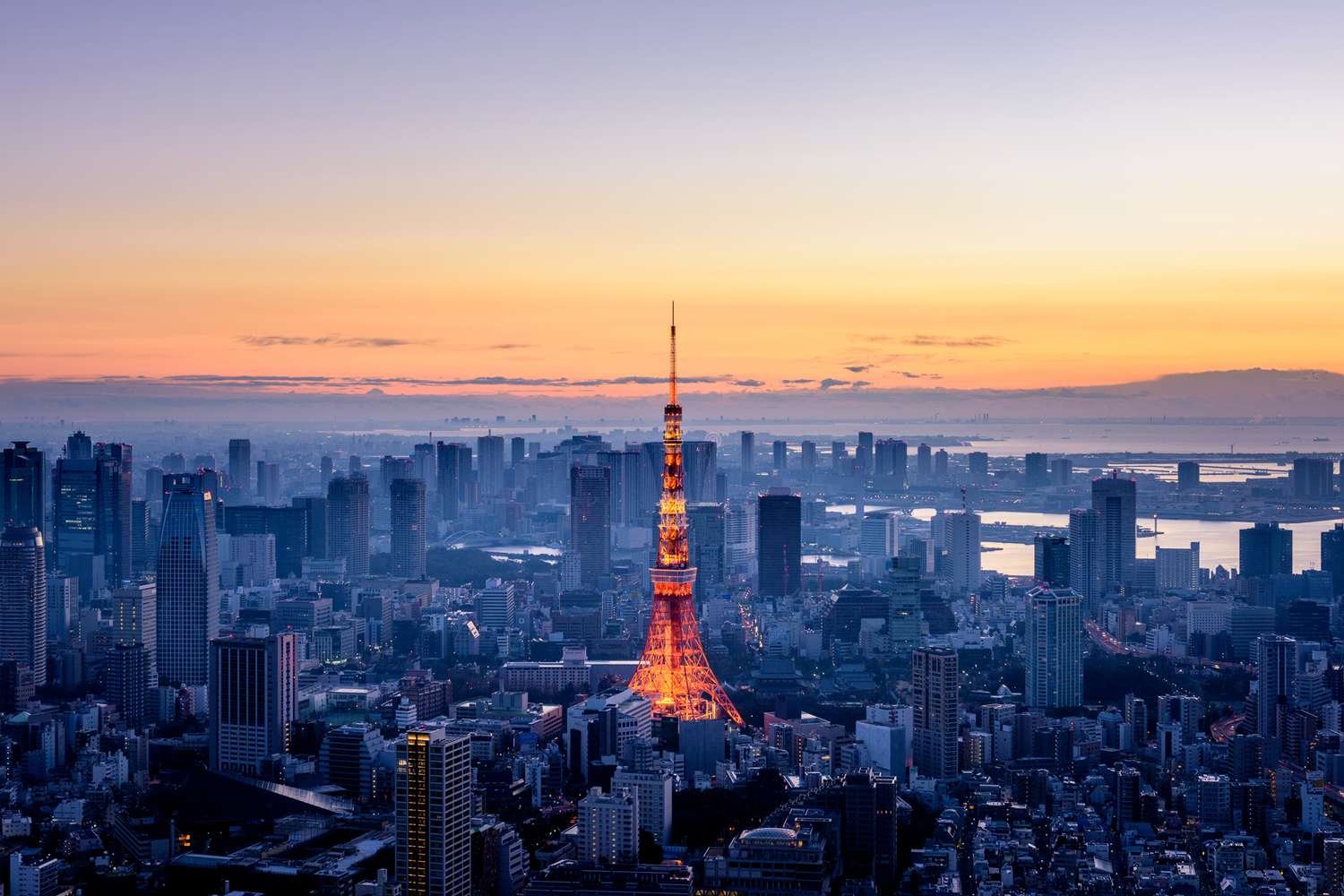
Tokyo is a city of contrasts where ancient temples stand beside neon-lit skyscrapers, where cutting-edge technology coexists with centuries-old traditions. As someone who’s visited over a dozen times and spent cumulative months exploring every corner of this extraordinary metropolis, I can confidently say that Tokyo is unlike anywhere else on Earth.
This comprehensive guide will help you navigate Tokyo’s complexity, from practical logistics to hidden gems that most tourists miss. Whether you’re planning your first visit or returning to discover more, this guide provides everything needed for an unforgettable Tokyo experience.
When to Visit Tokyo
Spring (March-May): Peak Beauty
Best for: Cherry blossom viewing (sakura season)
Spring is Tokyo’s most celebrated season. Late March through early April brings the famous cherry blossoms, transforming the city into a pink wonderland. Temperatures are comfortable (10-20°C), making it perfect for walking and outdoor activities.
Considerations: Peak season means higher prices and larger crowds, especially during Golden Week (late April/early May). Book accommodation months in advance.
Summer (June-August): Festival Season
Best for: Traditional festivals and fireworks
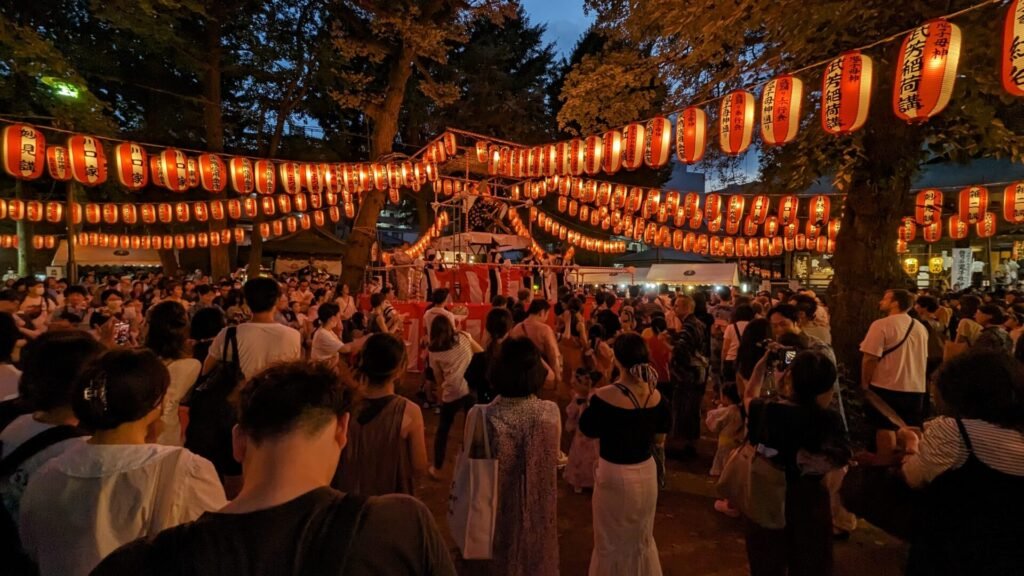
Tokyo summers are hot and humid (25-35°C) with a rainy season in June. Despite the weather, summer offers incredible matsuri (festivals) and stunning fireworks displays.
Considerations: The heat can be oppressive. Stay hydrated and plan indoor activities during the hottest afternoon hours.
Autumn (September-November): The Golden Season
Best for: Fall foliage and perfect weather
Many consider autumn Tokyo’s best season. Comfortable temperatures (15-25°C), beautiful fall colors, and fewer crowds than spring make it ideal for exploration. Late November brings spectacular momiji (maple) viewing.
Why I prefer autumn: More authentic experience with fewer tourists, better hotel rates, and equally stunning natural beauty.
Winter (December-February): Off-Season Value
Best for: Budget travelers and winter illuminations
Cold but rarely freezing (0-10°C), winter offers the lowest prices and smallest crowds. The city transforms with elaborate winter illumination displays that rival any Western Christmas lights.
Considerations: Some outdoor attractions are less enjoyable. Pack warm layers as buildings have minimal heating.
Essential Logistics
Getting There
Tokyo is served by two major airports:
- Narita International (NRT): 60km from central Tokyo, primarily international flights. Narita Express (N’EX) train reaches central Tokyo in 60 minutes (¥3,070)
- Haneda Airport (HND): 15km from central Tokyo, increasingly popular for international flights. Tokyo Monorail reaches city center in 30 minutes (¥500)
Pro tip: Haneda is significantly more convenient. If flight prices are similar, always choose Haneda.
Getting Around
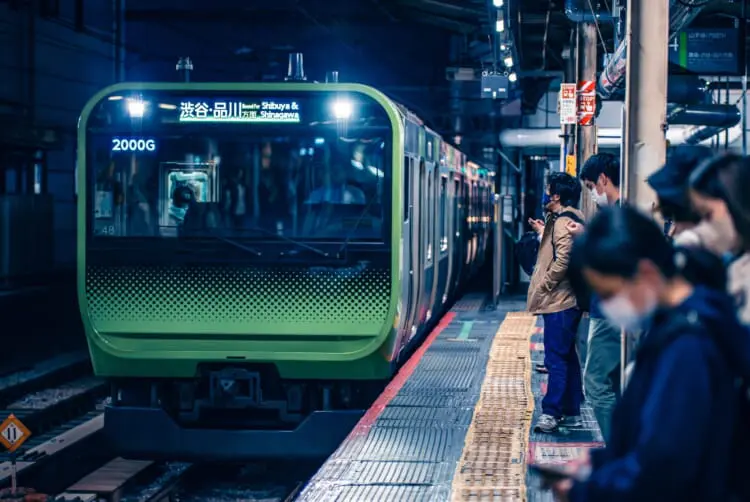
Tokyo’s public transportation is world-class but initially overwhelming. The system includes:
- JR Lines: Including the essential Yamanote Loop Line circling central Tokyo
- Tokyo Metro: 9 lines covering the city
- Toei Subway: 4 additional lines
- Private railways: Connecting to suburbs and neighboring cities
Transportation Tips:
- Get a Suica or Pasmo card: Rechargeable IC cards work on all trains, buses, and many vending machines/convenience stores
- Download transit apps: Google Maps is excellent, but Japan Transit Planner offers more detailed information
- Avoid rush hour: 7:30-9:30 AM and 5:30-7:30 PM trains are brutally crowded
- Consider a JR Pass: Only worthwhile if taking day trips outside Tokyo (to Kyoto, Osaka, etc.)
Accommodation
Where to stay: Choose your base carefully as Tokyo is massive:
Best Neighborhoods for First-Time Visitors:
Shinjuku: Central hub with excellent transport connections. Proximity to both business districts and entertainment areas. Expect moderate noise and crowds.
Shibuya: Youthful energy and trendy atmosphere. Perfect for nightlife enthusiasts. Very busy but exciting.
Asakusa: Traditional atmosphere near Senso-ji Temple. More budget-friendly options. Slightly less convenient for exploring other areas.
Roppongi: International vibe with excellent nightlife and art scene. More expensive but sophisticated.
My recommendation: Stay near a major JR station on the Yamanote Line for maximum convenience.
Top Attractions and Experiences
Traditional Tokyo
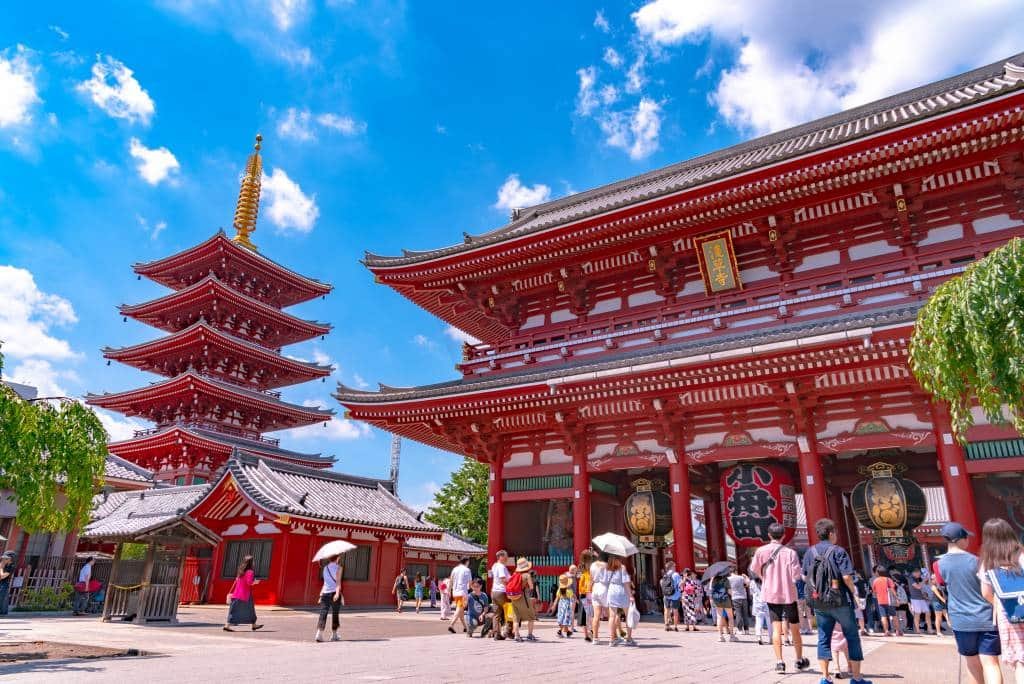
Senso-ji Temple (Asakusa)
Tokyo’s oldest temple offers the quintessential traditional experience. Visit early morning (by 7 AM) to avoid crowds and experience the temple’s serenity. The Nakamise shopping street leading to the temple sells traditional souvenirs and snacks.
Meiji Shrine (Harajuku)
Peaceful Shinto shrine surrounded by lush forest in the heart of Tokyo. Free entry. Weekend mornings occasionally feature traditional weddings in stunning ceremonial attire.
Imperial Palace East Gardens
Beautiful gardens on the grounds of the Imperial Palace. Free admission. Especially stunning during cherry blossom and autumn foliage seasons.
Modern Tokyo
Shibuya Crossing
The world’s busiest pedestrian crossing is pure Tokyo energy. Best viewed from the Starbucks overlooking the intersection (arrive early to secure a window seat).
Tokyo Skytree
At 634 meters, the world’s tallest tower offers breathtaking views. Buy tickets online to skip long queues. Sunset timing provides both day and night views.
teamLab Borderless (Odaiba)
Mind-bending digital art museum. Book tickets weeks in advance as it sells out quickly. Allocate 2-3 hours minimum to explore properly.
Unique Neighborhoods
Akihabara (Electric Town)
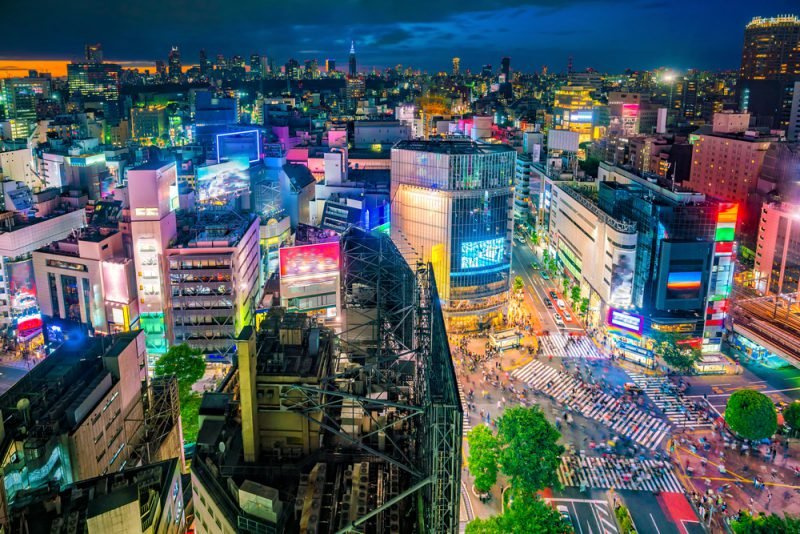
Anime, manga, and electronics paradise. Multi-story arcades, maid cafes, and endless tech shops. Overwhelming but fascinating even if you’re not an otaku.
Harajuku/Omotesando
Youth fashion epicenter. Takeshita Street offers quirky shops and crepe stands, while Omotesando features luxury boutiques and architecture. Visit Sunday mornings to see cosplayers.
Shimokitazawa
Bohemian neighborhood with vintage shops, live music venues, and tiny cafes. More authentic local vibe than tourist-heavy areas.
Yanaka
Old Tokyo atmosphere with traditional wooden buildings, small temples, and nostalgic shopping streets. One of few areas that survived WWII bombing.
Food Guide: What and Where to Eat
Must-Try Dishes
Sushi
Budget: Sushi-Go-Round chains like Kura Sushi or Sushiro (¥100-200 per plate)
Mid-Range: Sushi Zanmai (¥3,000-5,000)
Splurge: Tsukiji Outer Market sushi restaurants (¥5,000-10,000)
Pro tip: Some of Tokyo’s best sushi comes from humble-looking spots. Don’t judge by appearances.
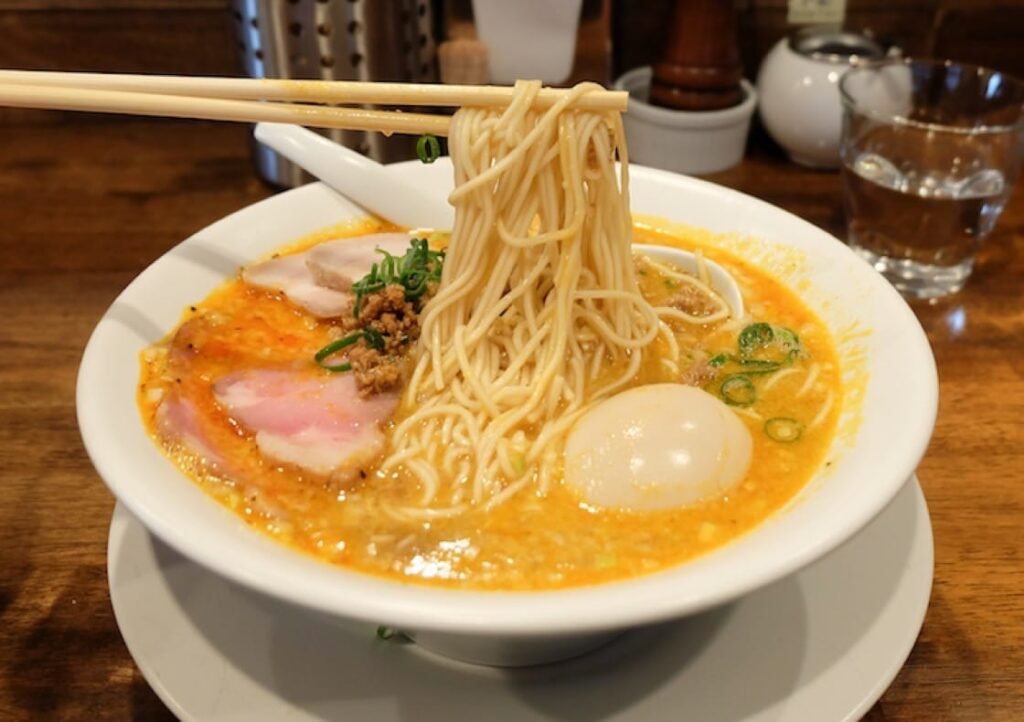
Ramen
Tokyo’s ramen is world-class. My top recommendations:
- Ichiran: Famous solo dining booths, customizable bowls (¥890)
- Afuri: Lighter, yuzu-citrus broth (¥980)
- Menya Musashi: Rich, hearty bowls (¥850)
Tempura
Light, crispy battered seafood and vegetables. Tsunahachi in Shinjuku offers excellent quality at reasonable prices (¥1,500-3,000).
Tonkatsu
Breaded, deep-fried pork cutlet. Maisen in Omotesando is tourist-friendly with English menus (¥1,500-2,500).
Yakitori
Grilled chicken skewers. Explore the alleyways of Yurakucho or Ebisu for authentic tiny izakayas (¥300-500 per skewer).
Convenience Store Culture
Don’t underestimate Japanese convenience stores (7-Eleven, Lawson, FamilyMart). They offer surprisingly good food:
- Onigiri (rice balls): ¥100-150
- Bentos (lunch boxes): ¥400-600
- Fresh coffee: ¥100-150
- Seasonal sweets and snacks
Dining Etiquette
- Slurping noodles is acceptable and appreciated
- Don’t tip – it’s considered rude
- Use “itadakimasu” before eating, “gochisousama” when finished
- Don’t stick chopsticks vertically in rice (funeral practice)
- Many restaurants require removing shoes
Day Trip Recommendations
Nikko (2 hours from Tokyo)
UNESCO World Heritage Site with stunning temples and natural beauty. Famous Toshogu Shrine features incredible gold-leaf decorations. Best visited in autumn for fall colors.
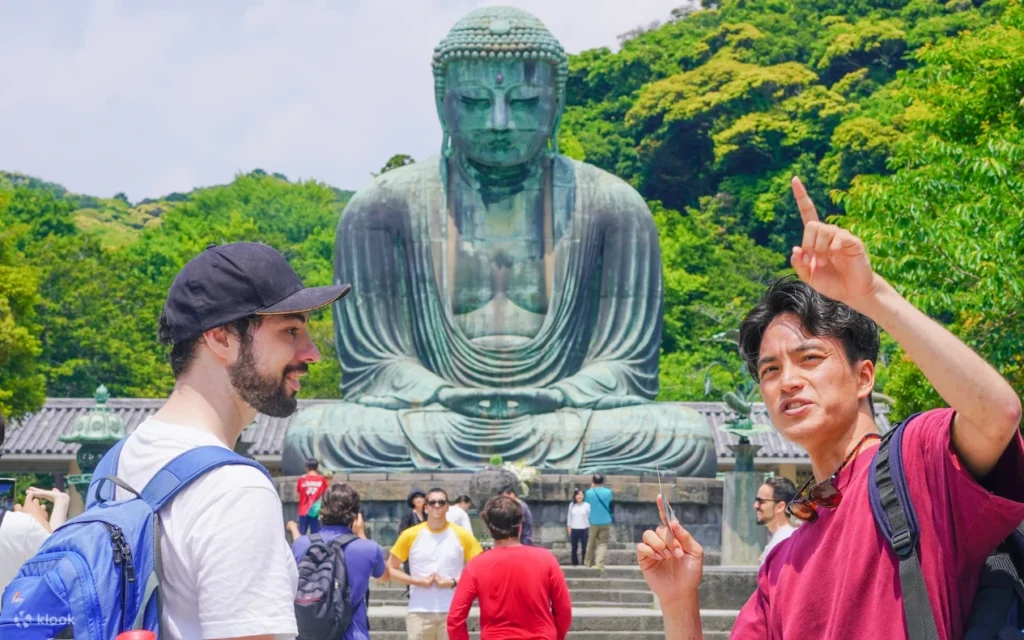
Kamakura (1 hour from Tokyo)
Coastal city with the famous Great Buddha statue, numerous temples, and excellent hiking trails. Combine with nearby Enoshima Island for a full day.
Hakone (1.5 hours from Tokyo)
Mountain resort town famous for hot springs (onsen) and views of Mt. Fuji. The Hakone Loop combines train, cable car, and pirate ship for a unique journey.
Mount Fuji
Best viewed from Hakone or the Fuji Five Lakes region. Climbing season is July-September only. Day trips work, but overnight stays offer better weather chances.
Money and Budgeting
Daily Budget Estimates
Budget Traveler: ¥7,000-10,000 ($50-70)
- Hostel: ¥3,000
- Meals: ¥2,000 (convenience stores and cheap restaurants)
- Transport: ¥1,000
- Activities: ¥1,000
Mid-Range Traveler: ¥15,000-25,000 ($105-175)
- Business hotel: ¥8,000
- Meals: ¥5,000 (mix of restaurant types)
- Transport: ¥1,500
- Activities: ¥5,000
Luxury Traveler: ¥40,000+ ($280+)
- High-end hotel: ¥25,000+
- Fine dining: ¥10,000+
- Private transport: ¥3,000+
- Premium experiences: ¥5,000+
Money Tips
- Japan is still heavily cash-based. Carry yen at all times
- 7-Eleven ATMs accept international cards (small fee)
- Credit cards work at major establishments but not small restaurants
- Get a tax refund on purchases over ¥5,000 at participating stores
Practical Tips and Etiquette
Cultural Guidelines
- Bowing: Slight bow (15 degrees) for casual greetings, deeper for gratitude
- Shoes: Remove before entering homes, some restaurants, temples, and fitting rooms
- Quiet public spaces: Don’t talk loudly on trains or phone calls in public transport
- Queue respect: Always form orderly lines and wait your turn
- Eating while walking: Generally frowned upon except at festivals
Language
English proficiency varies. Learn basic phrases:
- Sumimasen (excuse me/sorry)
- Arigatou gozaimasu (thank you very much)
- Eigo wa hanasemasu ka? (Do you speak English?)
- Kore wa nan desu ka? (What is this?)
Download Google Translate with offline Japanese. The camera function translates signs instantly.
Internet and Communication
Options for staying connected:
- Pocket WiFi rental: ¥800-1,000/day, unlimited data, supports multiple devices
- SIM card: ¥3,000-4,000 for 7-14 days, requires unlocked phone
- Free WiFi: Available at stations, convenience stores, and cafes (spotty)
Recommendation: Pocket WiFi for groups, SIM for solo travelers.
Sample 7-Day Itinerary
Day 1: Arrival and Asakusa
- Morning: Arrive, hotel check-in, get Suica card
- Afternoon: Senso-ji Temple and Nakamise shopping street
- Evening: Tokyo Skytree sunset, dinner in Asakusa
Day 2: Traditional Culture
- Morning: Meiji Shrine and Harajuku street fashion
- Afternoon: Imperial Palace East Gardens
- Evening: Shibuya Crossing and dinner in Shibuya
Day 3: Modern Tokyo
- Morning: teamLab Borderless
- Afternoon: Odaiba waterfront and shopping
- Evening: Roppongi Hills sunset, dinner in Roppongi
Day 4: Day Trip
- Full day: Nikko or Kamakura (depending on preference)
- Evening: Return to Tokyo, rest
Day 5: Food and Shopping
- Morning: Tsukiji Outer Market breakfast
- Afternoon: Ginza shopping and Kabuki theater
- Evening: Ramen dinner, explore Golden Gai (Shinjuku)
Day 6: Quirky Tokyo
- Morning: Akihabara electronics and anime shops
- Afternoon: Yanaka old town exploration
- Evening: Ueno Park, dinner in Ueno
Day 7: Last Day
- Morning: Shopping for souvenirs (specific neighborhood TBD)
- Afternoon: Relaxed exploration of favorite area
- Evening: Farewell dinner, prepare for departure
Insider Tips from a Tokyo Regular
- Arrive early everywhere: Tourist attractions fill up fast. Early morning visits offer peaceful experiences.
- Walk whenever possible: Tokyo’s most interesting discoveries happen between destinations.
- Embrace the rain: Rain never ruins Tokyo. Carry a compact umbrella (available at any convenience store).
- Say yes to omakase: “Chef’s choice” meals often provide the best value and experience.
- Don’t over-schedule: Leave room for spontaneous discoveries and wandering.
- Respect the culture: Small gestures of respect open doors to incredible experiences.
- Try everything: Even dishes that sound weird might become favorites.
Final Thoughts
Tokyo rewards curiosity and punishes rigid planning. While this guide provides structure, the city’s magic emerges in unexpected moments: a tiny ramen shop down an alley, a neighborhood festival you stumbled upon, or a conversation with a local who insists on practicing English.
Approach Tokyo with openness, respect, and wonder. The city will respond with experiences that transcend any guidebook description. Whether this is your first or fifteenth visit, Tokyo continues to surprise, delight, and inspire.
Enjoy your journey through the world’s most captivating metropolis.