
Quality sleep affects every aspect of health, yet millions struggle with inadequate rest. This science-based guide will transform your sleep in just 30 days.
The Sleep Crisis

One-third of adults get insufficient sleep. Chronic sleep deprivation increases risk of obesity, diabetes, heart disease, depression, and cognitive decline.
Sleep’s Critical Functions:
- Memory consolidation
- Cellular repair and growth
- Immune system support
- Hormone regulation
- Emotional processing
- Metabolic function
Week 1: Sleep Schedule
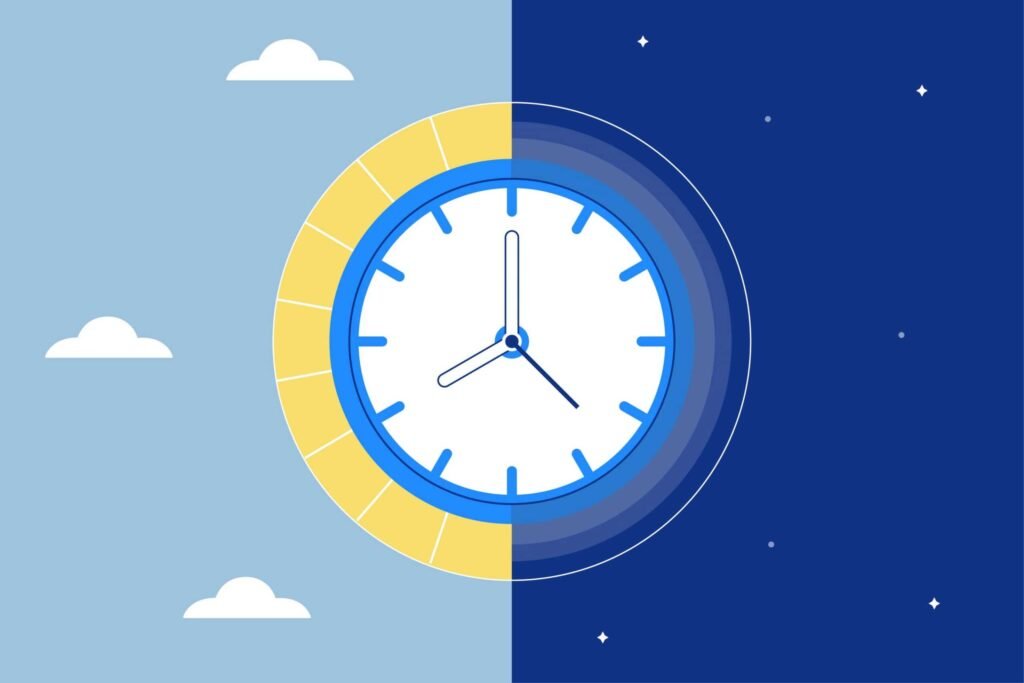
Establish Consistent Times:
- Same bedtime within 30-minute window
- Same wake time EVERY day (including weekends)
- Aim for 7-9 hours in bed
Why It Works:
Your circadian rhythm thrives on consistency. Irregular schedules disrupt natural sleep-wake cycles, making quality sleep impossible.
Week 2: Optimize Your Environment

The Perfect Sleep Cave:
- Temperature: 65-68°F (18-20°C)
- Darkness: Complete darkness or eye mask
- Quiet: White noise machine if needed
- Mattress: Replace if older than 7-8 years
- Pillows: Supportive for your sleep position
Remove These:
- TVs and computers
- Work materials
- Bright alarm clocks
- Phones (or airplane mode)
Week 3: Evening Routine

2-3 Hours Before Bed:
- No more caffeine
- Light dinner (heavy meals disrupt sleep)
- No vigorous exercise
- Dim lights throughout home
1 Hour Before Bed:
- No screens (blue light suppresses melatonin)
- Warm shower or bath
- Reading physical books
- Gentle stretching or yoga
- Meditation or breathing exercises
Bedtime Ritual:
- Same sequence nightly
- Signals brain it’s sleep time
- 5-10 minutes maximum
Week 4: Lifestyle Optimization

Morning Routine:
- Sunlight exposure within 30 minutes of waking
- Exercise (morning or afternoon, not evening)
- Consistent meal times
Daytime Habits:
- Limit caffeine to before 2 PM
- No napping after 3 PM
- Manage stress with regular exercise
- Limit alcohol (disrupts sleep cycles)
Supplements That Help:
- Magnesium glycinate: 400mg 30min before bed
- L-theanine: 200mg for relaxation
- Melatonin: 0.5-3mg (start low) only if needed
Advanced Techniques
4-7-8 Breathing:
- Inhale through nose for 4 seconds
- Hold breath for 7 seconds
- Exhale through mouth for 8 seconds
- Repeat 4 times
Progressive Muscle Relaxation:
Tense and release each muscle group from toes to head. Induces physical relaxation that promotes sleep.
Cognitive Techniques:
- Worry journal: write concerns before bed
- Gratitude practice: list 3 things daily
- Visualization: peaceful scenes
What If You Can’t Fall Asleep?
The 20-Minute Rule: If not asleep after 20 minutes, leave bedroom. Do quiet activity in dim light until sleepy. Then return to bed.
Never “try” to sleep or watch the clock—both increase anxiety and delay sleep.
Tracking Progress
Keep Sleep Diary:
- Bedtime and wake time
- Sleep quality (1-10)
- Energy levels next day
- What helped or hindered
Wearable Devices:
Oura Ring, Whoop, or Apple Watch track sleep stages and quality. Use data to refine your approach.
Expected Results
Week 1-2:
- Easier falling asleep
- Fewer night wakings
Week 3-4:
- Increased energy
- Better mood
- Improved focus
Long-Term (Months):
- Weight management easier
- Stronger immune system
- Better emotional regulation
- Enhanced memory and learning
When to See a Doctor

Consult a sleep specialist if you experience:
- Loud snoring or gasping during sleep
- Extreme daytime sleepiness
- Inability to sleep despite good habits
- Restless legs or periodic limb movements
Conclusion
Quality sleep is foundational to health, performance, and wellbeing. These evidence-based strategies will transform your sleep—and by extension, your life. Start tonight, be patient with the process, and watch as everything improves with better rest.