
Minimalism isn’t about owning nothing—it’s about owning exactly what adds value to your life. This comprehensive 30-day guide will help you transition to a simpler, more intentional lifestyle that reduces stress, saves money, and creates space for what truly matters.
Why Minimalism Matters
The average American home contains 300,000 items. We spend 6 hours weekly cleaning and organizing. We’re drowning in possessions yet feeling less fulfilled than ever. Minimalism offers an escape from this cycle.
Benefits of Minimalist Living:
- Reduced stress and mental clarity
- Significant financial savings
- More time for meaningful activities
- Environmental impact reduction
- Easier decision-making
- Greater appreciation for what you own
Week 1: Mindset and Vision
Day 1-2: Define Your Why
Before discarding anything, understand your motivation. Write down why you’re pursuing minimalism. Financial freedom? Less stress? More time? Your “why” will sustain you through difficult decisions.

Day 3-4: Assess Your Current State
Walk through your home with fresh eyes. Take photos of each room. Document what frustrates you: cluttered counters, overflowing closets, junk drawers. This creates your baseline.
Day 5-7: Create Your Vision
Research minimalist aesthetics that appeal to you. Create a Pinterest board or folder of inspiration images. Define what “enough” looks like for different categories: clothes, books, kitchen items.
Week 2: The Purge Begins
The Minimalist Rules for Decluttering:
- One-Year Rule: If unused for 12 months, it goes
- Duplicates: Keep only one of each tool/item
- Joy Test: Does it bring genuine happiness? Keep it. Ambivalent? Release it.
- Future Self Fallacy: Don’t keep items for an imaginary future self
Day 8-9: Clothes
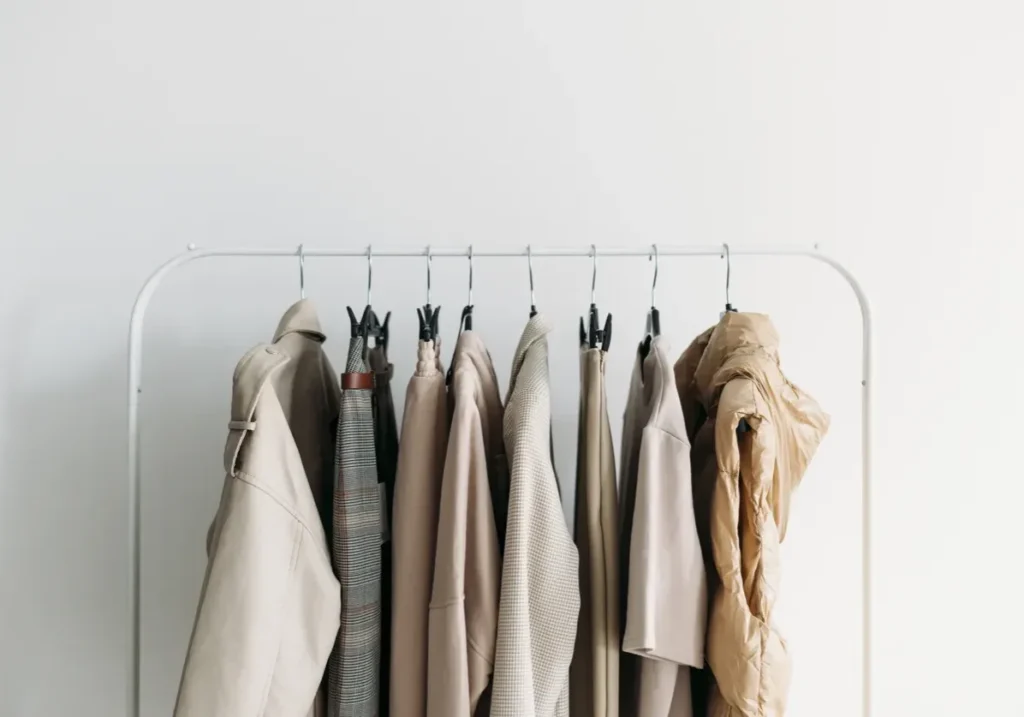
Empty your entire wardrobe. Try on everything. Be ruthless: if it doesn’t fit perfectly and make you feel confident, it goes. Aim for a capsule wardrobe of 30-40 versatile pieces.
Day 10-11: Books and Media
Keep favorites you’ll reread. Everything else: donate or sell. Digital alternatives exist for most reference materials. Your local library provides access to thousands more books.
Day 12-14: Kitchen
Most home cooks use 20% of kitchen items 80% of the time. Eliminate specialty gadgets, duplicate utensils, and mismatched containers. Keep only what you use weekly.
Week 3: Deep Decluttering
Day 15-16: Bathroom and Personal Care
Eliminate expired products, samples you’ll never use, and duplicate items. Simplify your routine to essential, high-quality products that actually work.
Day 17-18: Hobby and Sports Equipment
Be honest about current hobbies versus aspirational ones. Keep equipment for activities you do monthly. Release everything else without guilt.
Day 19-21: Sentimental Items
The hardest category. Take photos of items you’re releasing. Keep truly meaningful pieces but be selective. You’re honoring memories, not accumulating stuff.
Week 4: Systems and Maintenance
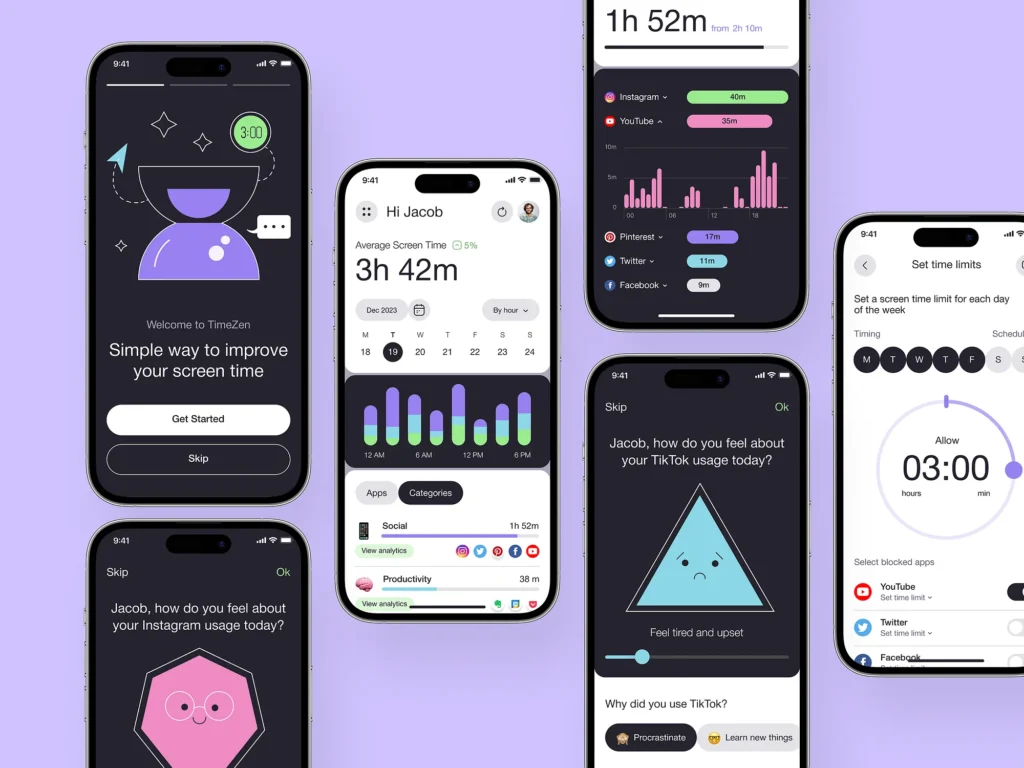
Day 22-23: Digital Declutter
Delete unused apps, organize files, unsubscribe from emails. Digital clutter creates stress too. Simplify your digital life alongside physical space.
Day 24-25: One-In-One-Out Rule
Establish this principle: for every new item entering your home, one must leave. This maintains your minimalist environment long-term.
Day 26-27: Create Zones
Assign specific locations for everything. No more junk drawers or miscellaneous piles. Everything has a home or it doesn’t belong in your space.
Day 28-30: Review and Refine
Walk through your spaces. Compare to Week 1 photos. Identify remaining problem areas. Commit to continued evaluation and adjustment.
Minimalist Wardrobe: The Capsule Concept
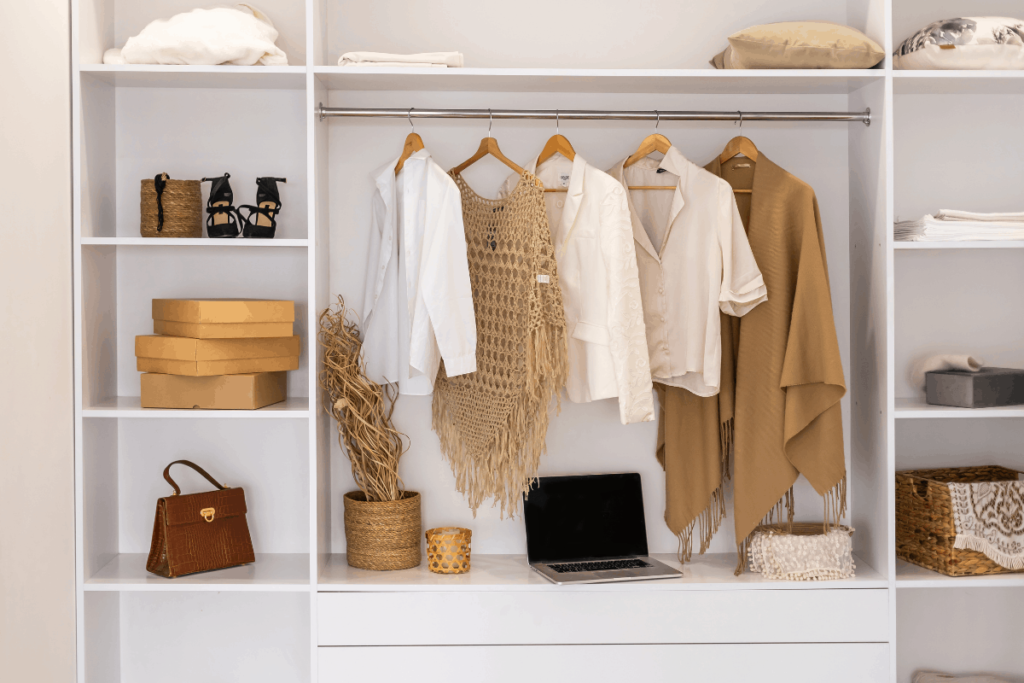
Essential Pieces for Men:
- 5-7 versatile t-shirts (neutral colors)
- 3-4 button-up shirts
- 2 pairs jeans (dark wash)
- 2 pairs chinos/dress pants
- 1 blazer
- 2-3 sweaters
- 1 casual jacket, 1 dress coat
- Athletic wear for workouts
- 2-3 pairs shoes (casual, dress, athletic)
Essential Pieces for Women:
- 5-7 versatile tops (mix of t-shirts, blouses)
- 2-3 pairs jeans (different cuts)
- 2 skirts or dresses
- 2 pairs dress pants/trousers
- 2-3 cardigans or blazers
- 1 casual jacket, 1 dress coat
- Athletic wear for workouts
- 3-4 pairs shoes (casual, dress, athletic, boots)
Minimalist Kitchen Essentials
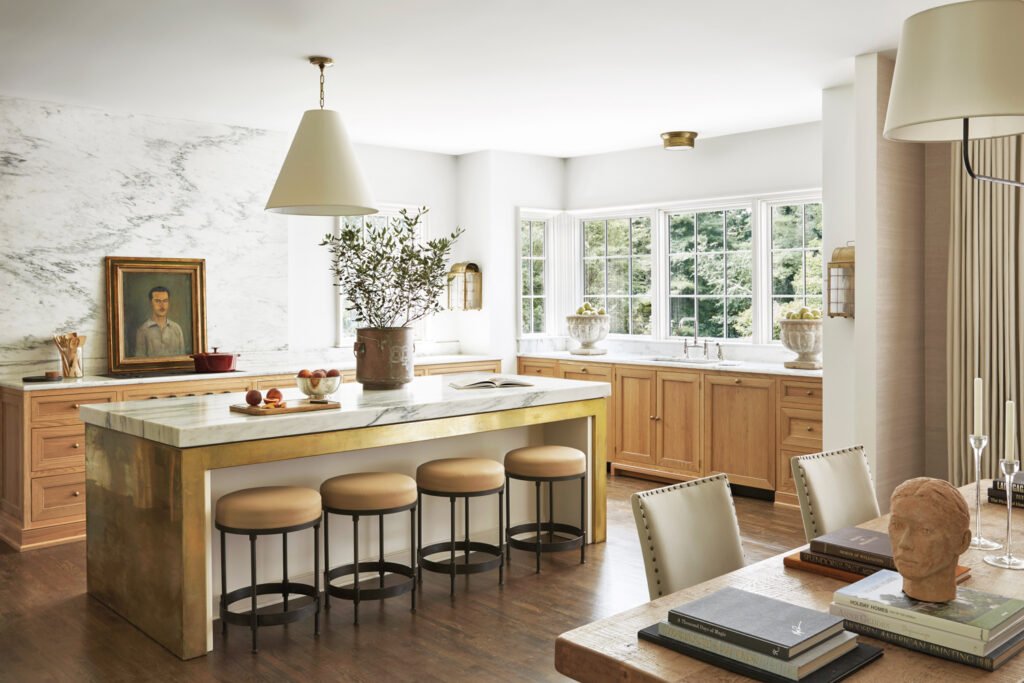
Core Tools (All You Really Need):
- Chef’s knife, paring knife, bread knife
- Cutting board
- Large skillet, medium saucepan, large pot
- Baking sheet
- Mixing bowls (2-3)
- Measuring cups and spoons
- Wooden spoon, spatula, tongs
- Can opener, vegetable peeler
Everything else is optional or replaceable with these core items.
Financial Benefits of Minimalism
Average Savings in First Year:
- Reduced purchases: $3,000-5,000 (buying only essentials)
- Smaller living space: $2,400-6,000 (downsizing rent/mortgage)
- Lower utility costs: $600-1,200 (smaller space, fewer electronics)
- Eliminated storage fees: $1,200-2,400 (no external storage needed)
- Selling excess: $1,000-3,000 (one-time decluttering income)
Total potential first-year savings: $8,200-17,600
Common Mistakes to Avoid
1. Extreme Purging
Don’t eliminate everything in a frenzy. Thoughtful minimalism beats empty spaces. Keep things that serve real purposes.
2. Becoming Obsessive
Minimalism is a tool for better living, not a competition. Don’t stress about item counts or perfect aesthetics.
3. Forcing It on Others
Your partner, kids, or roommates need autonomy. Lead by example in shared spaces, but respect others’ belongings.
4. Buying “Minimalist” Products
Ironic trap: purchasing expensive “minimalist” versions of what you just decluttered. Use what you have first.
5. All-or-Nothing Thinking
Progress beats perfection. Some areas might remain fuller than others based on your lifestyle. That’s okay.
Maintaining Minimalism Long-Term
Monthly Practices:
- 10-Minute Tidy: Daily reset of common areas
- Weekend Review: Assess purchases and assess necessity
- Monthly Audit: Walk through home, remove items that snuck in
- Quarterly Deep Clean: Thorough review of all categories
- Annual Evaluation: Reassess entire approach and adjust
Mindful Purchasing Questions:
Before any purchase, ask yourself:
- Do I truly need this or just want it?
- Do I already own something similar?
- Where will it live in my home?
- Am I buying for my current self or future fantasy self?
- Can I borrow, rent, or get it secondhand?
- Will I still value this in 6 months?
Minimalism with Kids
Children benefit from minimalism through reduced decision fatigue, better focus, and increased creativity. Strategies:
- Rotate toys (keep 25% out, store rest, rotate monthly)
- Quality over quantity for books and toys
- Designated spaces for everything
- Regular donation practice (involve kids in choosing)
- Experience gifts instead of physical items
- Lead by example in your own spaces
Digital Minimalism
Phone Declutter:
- Delete unused apps (if not used weekly, remove)
- Organize remaining apps into folders
- Disable non-essential notifications
- Grayscale screen to reduce appeal
- Set app time limits
Computer Cleanup:
- Organize files into clear folder structure
- Delete duplicates and old documents
- Unsubscribe from email lists
- Use cloud storage strategically
- Clean desktop (zero icons ideal)
The Minimalist Mindset
True minimalism is internal, not just external. It’s about:
- Intentionality: Every possession serves a purpose
- Contentment: Appreciating what you have
- Freedom: From consumerism, comparison, and clutter
- Focus: On experiences over possessions
- Simplicity: Reducing decisions and commitments
Real Results: What to Expect
Immediate Benefits (Days 1-30):
- Cleaner, more organized spaces
- Reduced daily cleaning time
- Easier to find items
- Initial financial savings from sales
- Sense of accomplishment
Medium-Term Benefits (Months 2-6):
- Noticeably lower spending
- Increased free time
- Reduced stress and anxiety
- Better focus and productivity
- Stronger sense of what matters
Long-Term Benefits (Year 1+):
- Significant financial progress
- Permanent habit changes
- Clear life priorities
- Sustainable lifestyle
- Improved relationships and wellbeing
Final Thoughts
Minimalism isn’t deprivation—it’s liberation. It’s removing the excess to reveal what’s essential. It’s making space for life rather than managing stuff.
Your journey will be unique. Some areas might stay fuller based on your hobbies, work, or family needs. That’s perfect. Minimalism serves you; you don’t serve minimalism.
Start today. Choose one drawer, one closet, one category. Take that first step toward a simpler, more intentional life. Future you will be grateful.